


How Scalp Micropigmentation Helps Thinning Hair: Hair Restoration Solutions That Work
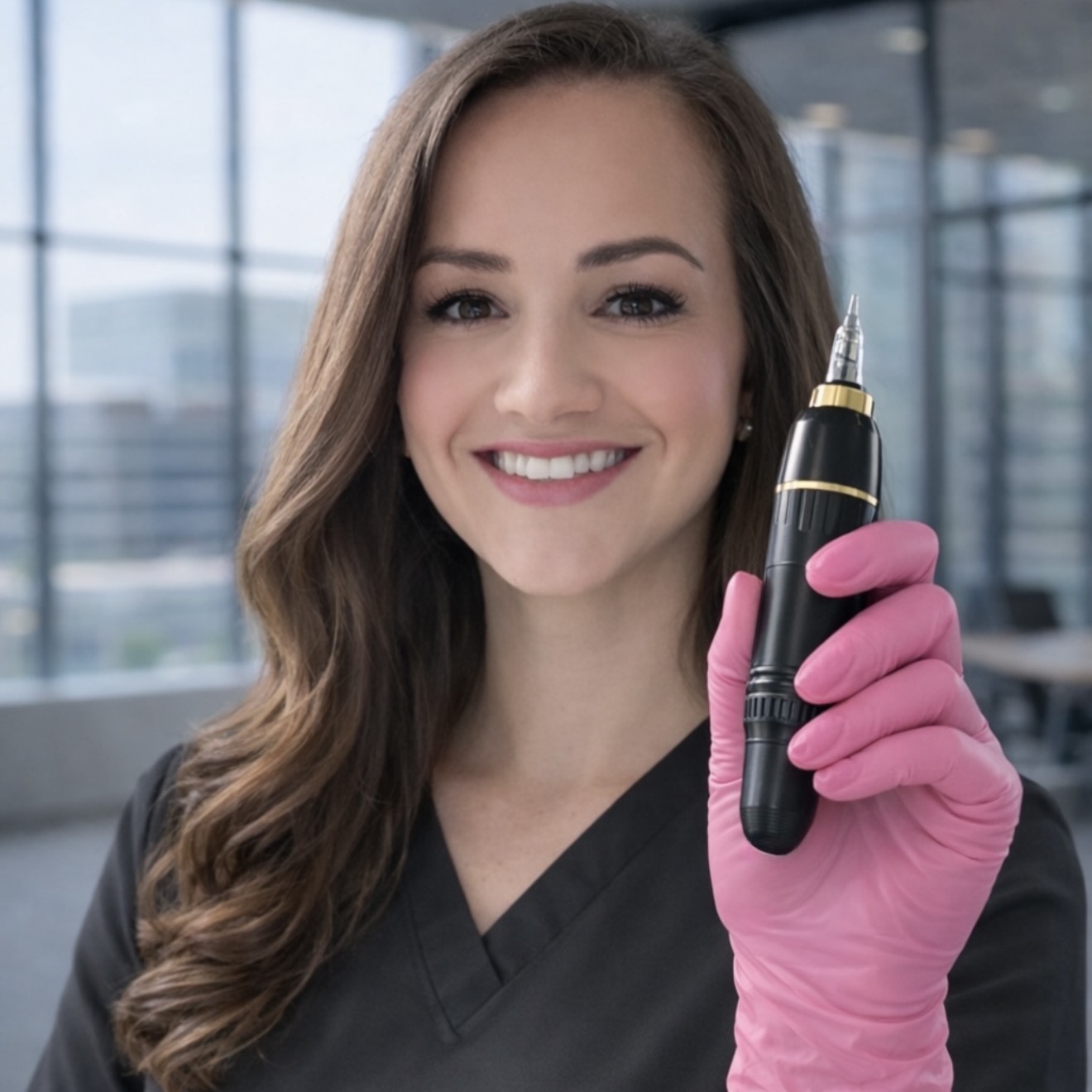
Thinning hair can feel like a tough challenge. It affects how you see yourself and how you think others see you. But there’s good news. Modern hair restoration solutions have come a long way. One of the most effective and natural-looking options is scalp micropigmentation (SMP). I want to share how this technique can help you regain confidence and enjoy a fuller-looking scalp.
Understanding Hair Restoration Solutions
When hair starts to thin, it’s natural to look for ways to restore it. Hair restoration solutions vary widely, from topical treatments and medications to surgical options like hair transplants. Each has its pros and cons, and what works best depends on your unique situation.
Topical treatments like minoxidil can slow hair loss but often require ongoing use.
Medications such as finasteride may help but come with potential side effects.
Hair transplants offer permanent results but involve surgery, cost, and recovery time.
This is where scalp micropigmentation stands out. It’s a non-surgical, low-maintenance option that creates the illusion of thicker hair by adding tiny pigment deposits to the scalp. This technique can be a game-changer for those who want a natural look without the hassle of daily treatments or surgery.
How Scalp Micropigmentation Works
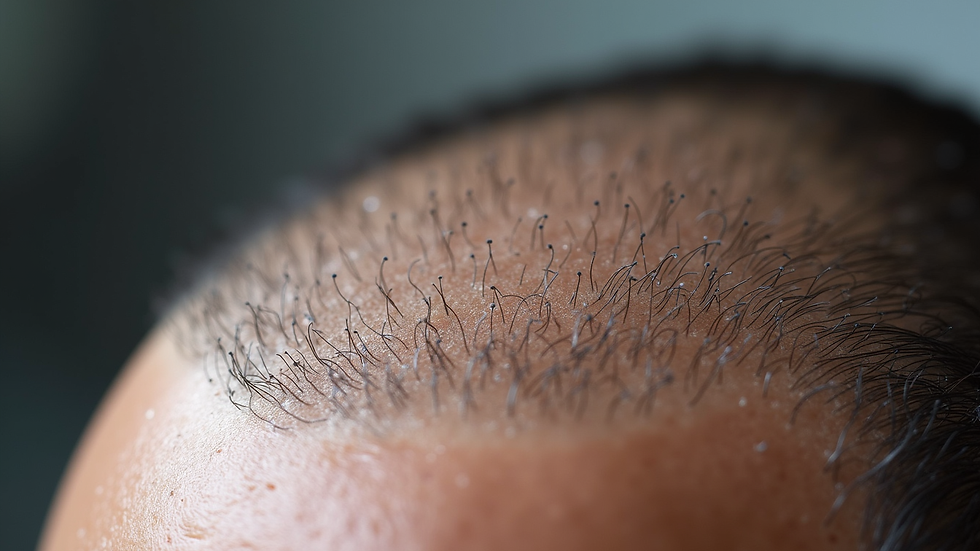
Scalp micropigmentation is a specialized tattooing process. Tiny dots of pigment are carefully applied to the scalp to mimic the look of hair follicles. The goal is to create the appearance of density and reduce the contrast between hair and scalp.
Here’s what happens during the process:
Consultation - You discuss your goals and expectations with a trained specialist.
Design - The practitioner maps out the areas to be treated, considering your natural hairline and hair color.
Pigmentation - Using fine needles, the pigment is deposited into the upper layers of the skin.
Healing - The scalp heals over a few days, and the pigment settles to create a natural look.
Touch-ups - A follow-up session ensures the best results and longevity.
The result is a subtle, natural-looking shadow that gives the illusion of thicker hair. It works well for all hair colors and skin tones, making it a versatile option.
Can SMP Fix Thinning Hair?
You might wonder, “Can SMP fix thinning hair?” The answer is yes, but with some important details to keep in mind.
SMP doesn’t regrow hair. Instead, it camouflages thinning areas by creating the look of density. This means it’s ideal for:
People with diffuse thinning who want to reduce scalp visibility.
Those with receding hairlines who want to restore a youthful hairline appearance.
Individuals who have patchy hair loss or scars from surgery or injury.
Because SMP is a cosmetic solution, it works best when combined with other hair restoration methods if you want actual hair growth. But for many, the visual improvement alone is enough to boost confidence and improve appearance.
If you’re considering SMP, it’s important to work with a skilled practitioner who understands hair patterns and pigment matching. This ensures the results look natural and blend seamlessly with your existing hair.
Benefits of Scalp Micropigmentation for Thinning Hair
Choosing scalp micropigmentation offers several advantages that make it a popular choice:
Immediate results - Unlike treatments that take months, SMP shows visible improvement right after the procedure.
Non-invasive - No surgery, no downtime, and minimal discomfort.
Low maintenance - No special shampoos or products needed; just normal scalp care.
Long-lasting - Results can last for several years with occasional touch-ups.
Cost-effective - Generally more affordable than hair transplants or ongoing medication.
Versatile - Works for men and women, different hair colors, and various stages of hair loss.
These benefits make SMP a practical and reassuring option for anyone dealing with thinning hair.

What to Expect During and After Treatment
If you decide to try scalp micropigmentation, knowing what to expect can help you feel more comfortable.
During the session: The practitioner will work carefully, applying pigment in small dots. The process usually takes 2-4 hours depending on the area size.
After the session: Your scalp might feel slightly tender or dry. Avoid washing or sweating heavily for a few days.
Healing: The pigment may look darker initially but will soften as the skin heals.
Follow-up: A second session is often scheduled 1-2 weeks later to perfect the look.
After healing, you can enjoy a natural-looking scalp that appears fuller and more youthful. It’s a simple way to restore your appearance without complicated treatments.
Taking the Next Step
If thinning hair has been on your mind, exploring scalp micropigmentation could be the solution you’ve been looking for. It’s a safe, effective, and natural way to improve the look of your hair and boost your confidence.
For those in the greater Indianapolis area, finding a trusted specialist who combines medical knowledge with artistic skill is key. This ensures your treatment is tailored to your needs and delivers the best possible results.
Remember, hair restoration is a journey. Whether you choose SMP or another method, the goal is to feel good about yourself every day. Don’t hesitate to reach out, ask questions, and take that first step toward a fuller-looking scalp.
If you want to learn more about scalp micropigmentation for thinning hair, check out trusted local providers who can guide you through the process with care and expertise.
I hope this helps you understand how scalp micropigmentation can be a practical and reassuring option for thinning hair. With the right approach, you can enjoy a natural look and renewed confidence.


Comments