


Transform Your Skin with Scar Camouflage Techniques
Scars can be a source of insecurity for many individuals. Whether they are the result of surgery, accidents, or skin conditions, these marks can affect self-esteem and confidence. However, advancements in scar camouflage techniques offer hope for those looking to transform their skin and regain their confidence. In this blog post, we will explore various methods of scar camouflage, their effectiveness, and how you can choose the right technique for your needs.

Understanding Scars
Before diving into camouflage techniques, it's essential to understand what scars are and how they form. Scars are a natural part of the healing process. When the skin is injured, the body produces collagen to repair the damage, resulting in a scar. The appearance of a scar can vary based on several factors, including:
Type of injury: Surgical scars, acne scars, and keloids all have different characteristics.
Skin type: Some skin types are more prone to scarring than others.
Healing process: Individual healing rates can affect scar formation.
Understanding these factors can help you choose the most effective camouflage technique for your specific scar type.
Types of Scar Camouflage Techniques
There are several techniques available for scar camouflage, each with its advantages and disadvantages. Here are some of the most popular methods:
1. Makeup Camouflage
Makeup is one of the most accessible and versatile options for scar camouflage. Specialized products designed for covering scars can provide immediate results. Here are some tips for effective makeup camouflage:
Choose the right products: Look for high-coverage foundations or concealers that are waterproof and long-lasting.
Use color correction: If your scar has a different color than your skin, consider using color-correcting products. For example, green concealers can neutralize redness.
Apply in layers: Start with a thin layer and build up coverage as needed. This helps avoid a cakey appearance.
Makeup camouflage is ideal for temporary coverage and can be easily removed at the end of the day.
2. Tattoo Camouflage
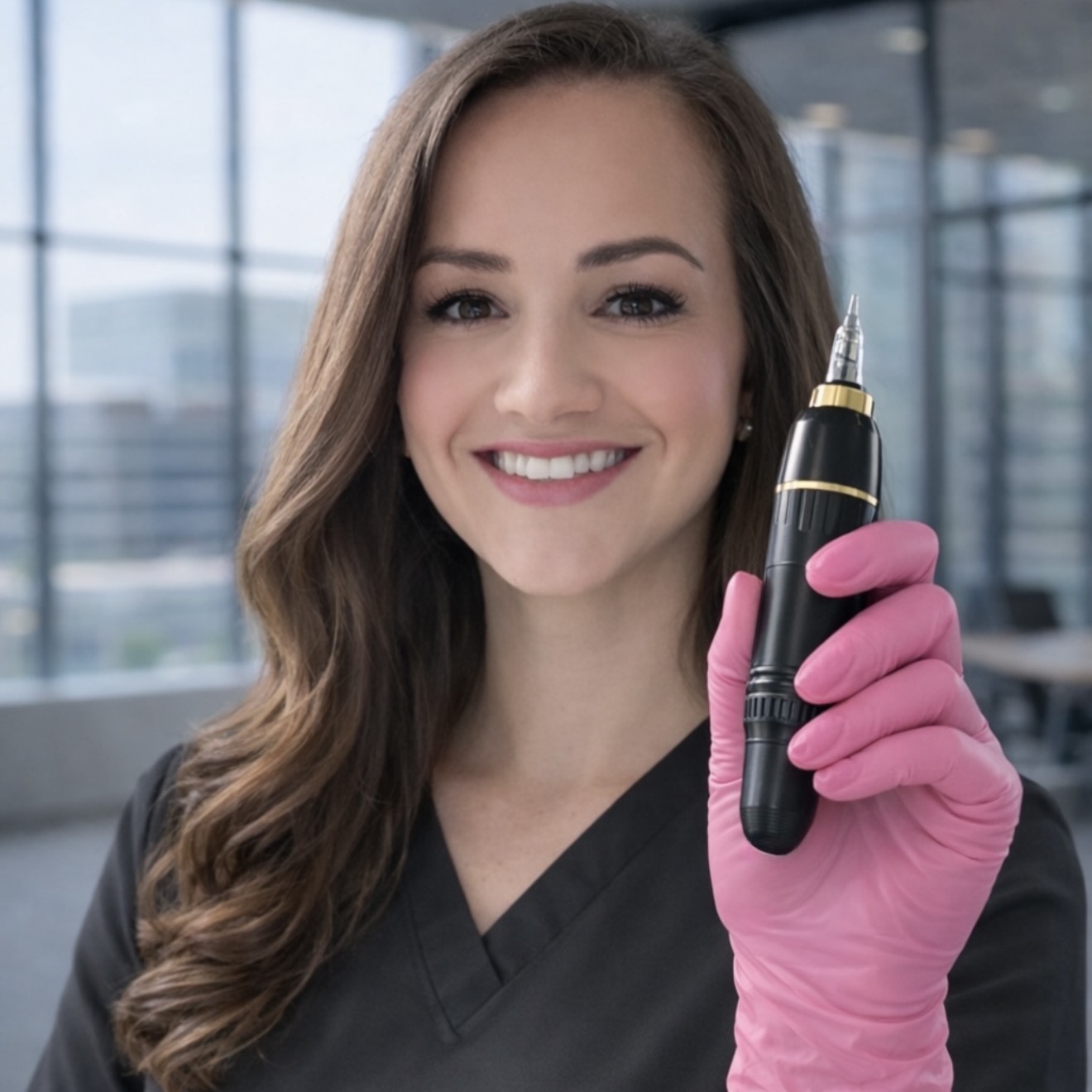
Tattoo camouflage is a more permanent solution for scar coverage. This technique involves tattooing skin-toned pigments over the scar to blend it with the surrounding skin. Here are some key points to consider:
Consult a professional: It's crucial to work with a skilled tattoo artist who specializes in scar camouflage.
Consider skin tone: The pigments used should match your natural skin tone for the best results.
Healing time: Like any tattoo, there will be a healing period, and the final appearance may take time to settle.
Tattoo camouflage can provide long-lasting results, but it is essential to ensure you are ready for a permanent solution.
3. Microneedling
Microneedling is a minimally invasive procedure that involves using tiny needles to create micro-injuries in the skin. This process stimulates collagen production and can improve the appearance of scars over time. Here’s what to know:
Multiple sessions required: Microneedling typically requires several sessions for optimal results.
Downtime: There may be some redness and swelling after the procedure, but this usually subsides quickly.
Consultation needed: Always consult with a dermatologist to determine if microneedling is suitable for your scar type.
Microneedling can be an effective way to improve the texture and appearance of scars, making them less noticeable.
4. Chemical Peels
Chemical peels involve applying a chemical solution to the skin, which causes the outer layer to peel off. This can help reduce the appearance of scars and improve skin texture. Here are some considerations:
Types of peels: There are different strengths of chemical peels, from superficial to deep. A dermatologist can recommend the best option for your scars.
Recovery time: Deeper peels may require more downtime, while superficial peels have minimal recovery.
Sun protection: After a chemical peel, it’s essential to protect your skin from the sun to prevent further damage.
Chemical peels can be a great option for those looking to improve their skin's overall appearance while addressing scars.
5. Laser Therapy
Laser therapy is a popular option for scar treatment. It uses focused light to target scar tissue, promoting collagen production and skin regeneration. Here’s what to keep in mind:
Types of lasers: Different lasers are used for different types of scars. Consult with a dermatologist to find the right one for you.
Multiple sessions: Like microneedling, laser therapy often requires multiple sessions for the best results.
Potential side effects: Some individuals may experience redness, swelling, or changes in pigmentation after treatment.
Laser therapy can be highly effective for reducing the visibility of scars, but it’s essential to have realistic expectations.
Choosing the Right Technique
With so many options available, how do you choose the right scar camouflage technique for your needs? Here are some factors to consider:
Scar type: Different techniques work better for specific types of scars. For example, makeup may be best for surface scars, while laser therapy may be more effective for deeper scars.
Desired results: Consider whether you want a temporary solution or a more permanent fix.
Budget: Some techniques, like tattoo camouflage, may require a higher upfront investment, while makeup is more affordable.
Time commitment: Some methods require more time and multiple sessions, while others can be done quickly.
By evaluating these factors, you can make an informed decision about which technique is best for you.
Aftercare and Maintenance
Regardless of the technique you choose, proper aftercare is crucial for achieving the best results. Here are some general tips:
Follow instructions: Always adhere to the aftercare instructions provided by your practitioner.
Moisturize: Keeping the area hydrated can promote healing and improve the appearance of scars.
Sun protection: Protecting your skin from the sun is vital, as UV exposure can darken scars and hinder healing.
Regular check-ins: If you undergo professional treatments, schedule follow-up appointments to monitor progress.
Taking care of your skin post-treatment will help ensure that you achieve the best possible results.
Real-Life Success Stories
To illustrate the effectiveness of scar camouflage techniques, here are a few real-life success stories:
Case Study 1: Makeup Transformation
Jessica, a 28-year-old woman, struggled with acne scars on her cheeks. After trying various makeup products, she discovered a high-coverage concealer that matched her skin tone perfectly. With a few simple techniques, she learned to apply the concealer effectively, allowing her to feel confident without feeling the need to hide her scars.
Case Study 2: Tattoo Camouflage
Mark, a 35-year-old man, had a prominent scar on his arm from a childhood accident. After consulting with a tattoo artist, he decided to undergo tattoo camouflage. The artist used pigments that matched his skin tone, and the results were remarkable. Mark felt liberated and no longer self-conscious about his scar.
Case Study 3: Microneedling Results
Sarah, a 40-year-old woman, had deep surgical scars on her abdomen. After several sessions of microneedling, she noticed a significant improvement in the texture and appearance of her scars. The procedure not only helped reduce the visibility of the scars but also improved her overall skin quality.
Conclusion
Transforming your skin with scar camouflage techniques is possible, and there are various options available to suit different needs and preferences. Whether you opt for makeup, tattoo camouflage, microneedling, chemical peels, or laser therapy, the key is to choose the method that aligns with your goals and lifestyle. Remember to consult with professionals, follow aftercare instructions, and be patient with the healing process.
If you're ready to take the next step in your scar camouflage journey, consider scheduling a consultation with a dermatologist or skincare professional. Your skin deserves to feel confident and beautiful, and with the right techniques, you can achieve just that.

Comments